The Conversations I Wish I Had Listened To.
Sometimes being 1% better means having the tough conversation. Sometimes it means finally being willing to hear one.
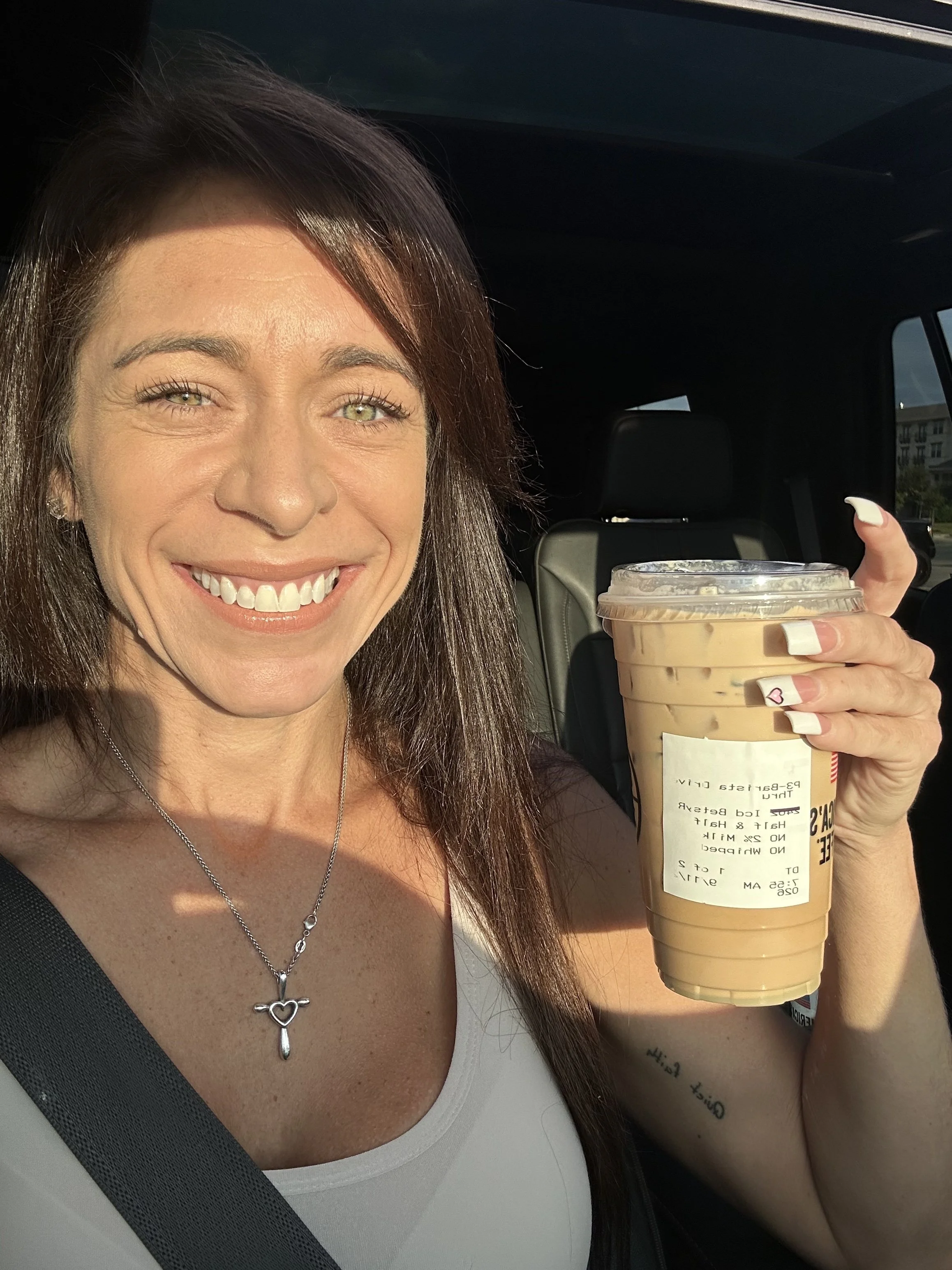
Black Rifle Coffee Company. A favorite of mine to visit with clients and friends.
My Saturday blog is arriving on Sunday this week.
Because life.
And because yesterday I was driving back from Texas, which apparently makes sitting down to thoughtfully write a blog slightly more complicated.
But I’ve actually put a lot of thought into this one.
Every week, I talk about being 1% better.
I talk about it on Instagram. I talk about it on LinkedIn. I talk about it in real estate. I talk about it personally and professionally.
And that part is intentional.
Because I don’t believe we should learn how to become better leaders at work while refusing to become better humans at home.
The things I teach, mentor on, write about and speak about should work in both places.
Leadership isn’t a hat we put on when we walk into a conference room.
Neither is courage.
Neither is accountability.
Neither is consideration.
Neither is growth.
Being 1% better is simply deciding:
Where am I willing to grow today?
You get to decide what you’re measuring against.
Yesterday.
Last week.
Last month.
Last year.
The point isn’t perfection.
It’s movement.
This week’s 1% was about tough conversations.
I challenged people to identify one conversation they’ve been avoiding.
You know the one.
It floats into your head at a stoplight.
It shows up halfway through your workout.
It visits you while you’re brushing your teeth.
And, because our brains apparently enjoy terrible timing, it especially likes to show up approximately four minutes before we’re supposed to fall asleep.
You know you need to say something.
But you don’t.
Because tough conversations are uncomfortable.
What will they think?
What if I sound needy?
What if I sound sappy?
What if I hurt their feelings?
What if they get angry?
What if this changes the relationship?
What if I say it wrong?
So we wait.And wait.
And sometimes the boat just keeps floating farther away while two people stand on opposite shores waiting for the other one to do something.
But those conversations matter.
Personally, one conversation can bring two people closer together.
It can provide clarity.
It can deepen trust, love, care and respect.
Or sometimes it provides the closure a relationship needed a long time ago.
Professionally, one conversation can completely change someone’s trajectory.
It can help someone recognize a blind spot.
It can help them grow.
It might help them earn a promotion.
It might even prevent them from losing their job because somebody cared enough to tell them what they couldn’t see for themselves.
That’s why being 1% better sometimes requires becoming comfortably uncomfortable.
You know it’s uncomfortable.
You do it anyway because you know it’s right.
But then something happened this week that made me realize I had only talked about half of the lesson.
Someone has to be willing to listen, too.
After sharing my 1% Better message, I had conversations with 3 people who have known me for more than 20 years.
These are people I originally met wearing my professional hat. Clients who eventually became friends.
People who have watched entire chapters of my life unfold. They’ve earned their stripes when it comes to knowing me, so their feedback I listen to.
And during those conversations, I found myself thinking about the woman I was in my early twenties.
Before I moved to Arizona roughly 20 years ago, people who cared about me tried to have some tough conversations with me.
They saw things.
They had concerns.
There were red flags.
And if I’m being truthful?
I wasn’t ready to listen.
I was a young single mom with three children trying to make what I believed was the responsible decision. I convinced myself I was doing the right thing. Meanwhile, my intuition was talking. My body was talking.
People who loved me were talking. And I kept moving forward anyway. Not because nobody warned me.
Because I wasn’t in a place where I could truly hear the warning. That’s a difficult distinction to admit.
Sometimes people tell us the truth before we’re ready for it.
At 43, almost 44, I can look backward with perspective I simply didn’t have in my early twenties.
And yes, there are things I would do differently.
I think we’re sometimes afraid to say the word regret because we’ve been taught that everything has to become some beautiful lesson we’re endlessly grateful for.
I don’t believe that.
Regret can be useful.
Regret can teach us.
Regret can become information.
There are decisions I regret.
There are warnings I wish I had taken more seriously.
There are moments when I wish I had trusted my intuition instead of convincing myself out of what I already knew.
Would my life look completely different? Absolutely.
And there’s an important distinction here:
I would never regret my children. Ever.
My younger two are pieces of my heart walking around outside my body, just like my older three.
But loving what eventually came from a decision does not require pretending every part of the path was healthy. Both things can be true.
I can be profoundly grateful for my children and recognize that there were things I wish I had done differently.
I can appreciate the woman I’ve become and acknowledge that some of what shaped her should never have happened.
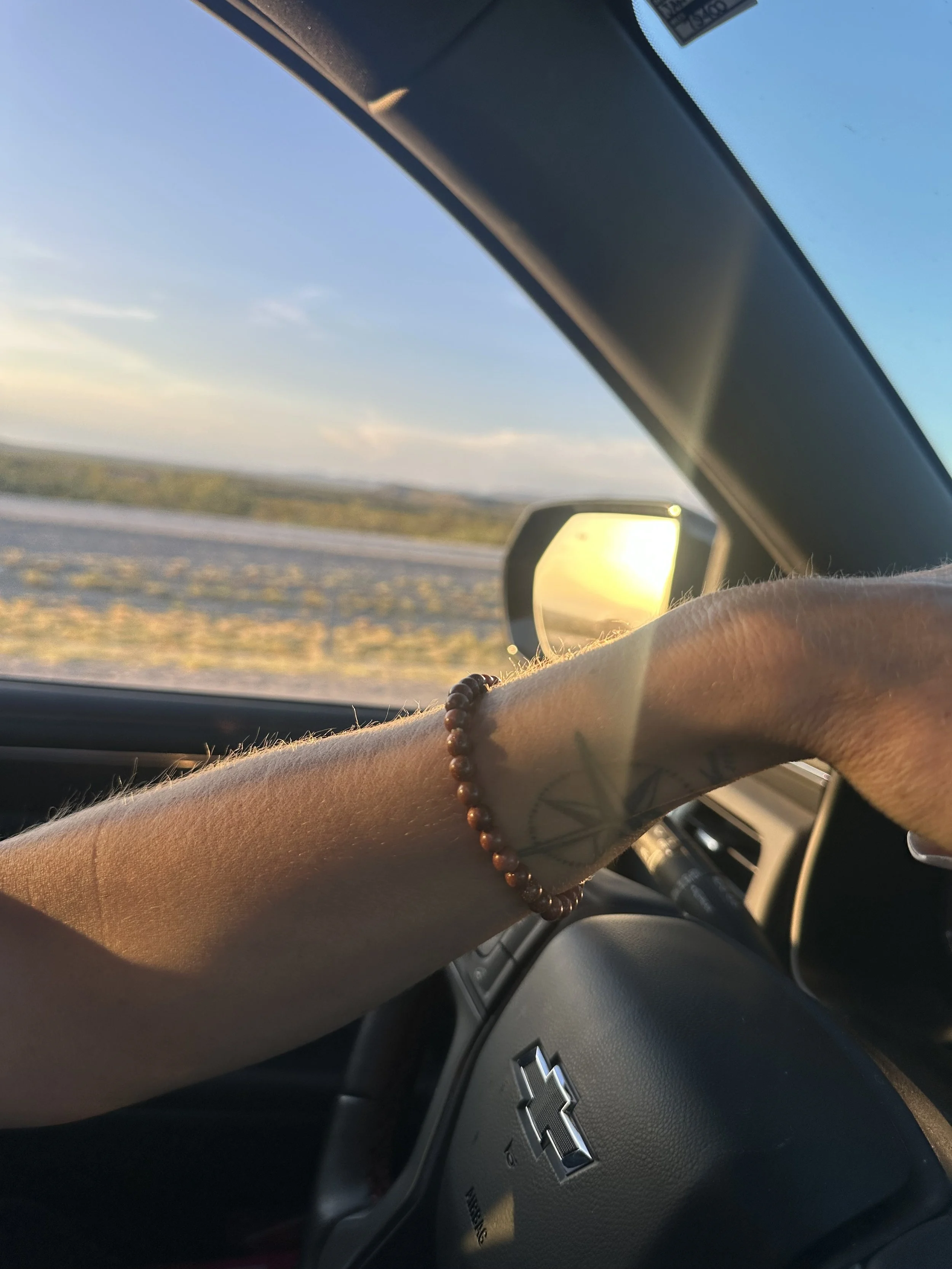
The conversations left me appreciative of the relationships I have.
I can recognize that adversity developed parts of me without romanticizing adversity.
Because if something painful can be prevented?
I think prevention matters, too.
Your intuition deserves a seat at the table.
Our brains and bodies collect information long before we’re consciously ready to put all the pieces together.
Sometimes we know something before we can explain why we know it.
That doesn’t mean every anxious thought is intuition.
It doesn’t mean every person’s opinion should dictate our decisions.
And it certainly doesn’t mean handing our lives over to someone else’s judgment.
It means becoming curious when the same internal message keeps showing up.
It means paying attention when people who have consistently demonstrated love, wisdom and care are brave enough to tell us something uncomfortable.
It means asking:
Is there something here I don’t want to see?
Because having the tough conversation requires courage.
But receiving one requires courage, too.
Maybe even more.
It requires us to quiet the part of ourselves preparing a rebuttal long enough to actually hear what someone is saying.
It requires us to listen with our ears, our eyes and our hearts open. Not because they’re automatically right.
But because perhaps they’ve noticed something worth examining.
So my 1% Better lesson evolved this week.
Have the conversation. Say the thing lovingly.
And yes, I use the word love freely.
Because I believe love has a place professionally, too.
Love can look like respect.
It can look like consideration.
It can look like caring enough about another human being to risk an uncomfortable moment because their future matters more to you than your temporary comfort.
But when someone offers that same thing to you?
Listen.
You don’t have to agree immediately.
You don’t have to make a decision on the spot.
You don’t have to surrender your own judgment.
Just listen. Take the information. Sit with it.
Check it against what your intuition has already been whispering.
And ask yourself whether there’s something you need to see.
Because sometimes becoming 1% better means finding the courage to speak.
And sometimes?
It means finding the courage to hear what someone was brave enough to say.
Here’s to another week of learning, growing and getting comfortably uncomfortable.
As always, I see you. I love you. You matter to me.
Hugs,
Sam
